Local planning note
Use this guide to compare routes, choose the right duration and book with a realistic idea of driving time, meals, comfort and desert conditions.
Practical packing list for Tunisia desert tours: clothing, shoes, medicine, camera gear, bivouac essentials and what not to bring.
Use this guide to compare routes, choose the right duration and book with a realistic idea of driving time, meals, comfort and desert conditions.
This article gives practical planning advice for Tunisia Sahara travelers. Exact timing, prices and activities depend on season, departure city, weather and final supplier confirmation.
Bring sunglasses, sunscreen, a hat or scarf, closed shoes, light clothes, a warm layer for the evening, a refillable water bottle, personal medicine and a power bank.
Use a small overnight backpack. Large suitcases should stay in the vehicle or at the camp when possible. Wet wipes and a headlamp are useful.
Avoid heavy luggage, delicate shoes and unnecessary valuables in the dunes.
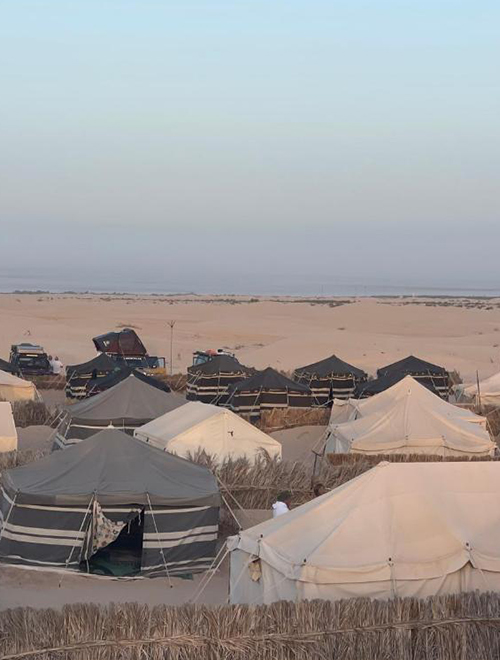
Compare your departure city and travel time before booking. For a first desert experience, choose a camp night. For a deeper reset, choose a bivouac or 3-day route.
Not always. Private tours are better for families, photographers and travelers with limited time. Shared or scheduled tours can be more budget-friendly when available.
Yes. Djerba is one of the most practical starting points for 2-day and 3-day desert routes toward Matmata, Douz, Sabria, Tataouine and Chenini.
One night is enough for a first camp experience. Two nights or three days are better for a slower route, oases or wild bivouac.
Continue planning your Sahara trip.